
Exploring Spindrift2 at Triple Crown Casino
Discover the immersive world of Spindrift2, a captivating game at Triple Crown Casino.


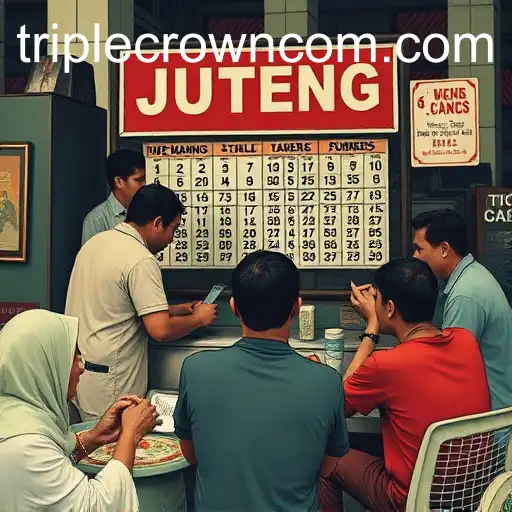
Jueteng is more than just an illegal numbers game prevalent in the Philippines; it is a complex social phenomenon with deep historical roots. This illicit activity represents a significant aspect of gambling in the country, one that operates parallel to legitimate institutions like Triple Crown Casino and others.
The origins of jueteng can be traced back to the Spanish colonial period when it was introduced as a simplified numbers game. Over the decades, it has evolved into a social event with significant implications for various levels of Philippine society. Though legally prohibited, jueteng continues to thrive due to its simplicity, accessibility, and the cultural embedding within local communities.
Jueteng requires participants to choose a pair of numbers from 1 to 37. Winning numbers are usually drawn twice a day, and winners receive cash prizes much larger than their bets, a tempting promise for many. Despite the straightforward nature, the organizational network behind jueteng is intricate, often involving entrenched systems of collectors, coordinators, and financiers.
Entities like the Triple Crown Casino represent the legal side of gambling in the Philippines, operating under regulatory frameworks designed to ensure fair play and accountability. In contrast, jueteng operates in the shadows, free of regulatory oversight but simultaneously lacking the protections granted to legal players.
While casinos focus on offering a luxurious gambling experience with a variety of game forms like poker, slot machines, and blackjack, jueteng capitalizes on its grassroots simplicity and low entry barriers. The market for both, however, involves intricate layers of financial interests and potential for corruption.
The persistence of jueteng can be attributed to several socioeconomic factors. For many in underprivileged communities, it provides a false sense of hope for quick financial gain. Moreover, the game's personal nature creates a communal event that serves social and entertainment purposes, aside from the obvious financial allure.
The lack of widespread resources means jueteng remains a realistic option for gambling as opposed to a visit to a legitimate gambling establishment like the Triple Crown Casino, which may remain inaccessible to the masses due to geographic or financial constraints.
Despite being illegal, the impact of jueteng extends beyond economics and into social dynamics. The game has historically been utilized as a tool by local politicians to garner support in exchange for protection and censorship of police actions against it. This creates a paradox of widespread participation and tacit acceptance even within official circles.
Policing jueteng poses considerable challenges due in part to the corruption that permeates various levels of administration. Many local officials are either complicit or explicitly supportive of the operations due to the financial incentives offered by jueteng organizers and patrons.
Efforts to eradicate jueteng have often been derailed by these layers of bureaucracy resistant to dismantling a significant source of local income and influence, a scenario quite different from the heavily regulated environment surrounding the Triple Crown Casino.
The government continually faces pressures to address the prevalence of illict gambling forms like jueteng, as they conflict with the state's interests in promoting legal gambling spaces. Campaigns to eliminate or reduce jueteng involve both legislative pursuits and community-based awareness programs.
By expanding access to formal gambling options, the government aims to shift public interest from illegal to regulated gambling. The Philippines’ casinos, including the Triple Crown Casino, have significant tourism potential, drawing parallels between the need for legal venues and the existing popularity of games like jueteng.
Addressing jueteng requires more than just enforcement; it necessitates community engagement to alter perceptions and dependencies on the game. Programs that provide alternative livelihoods and social support structures play crucial roles in reducing reliance on illegal gambling.
The future of gambling in the Philippines hinges on finding a balance between promoting legitimate establishments like the Triple Crown Casino while reducing illegal gambling activities. As the economy and social structures evolve, so too will the mechanisms through which gambling is pursued.
Though deeply entrenched, efforts to mitigate jueteng remain ongoing, reflecting a broader dialogue between legality and cultural practices. For the Triple Crown Casino and similar establishments, the challenge remains in positioning themselves as engaging, ethical alternatives to historical games of chance.
If you're looking for a reliable, fully licensed, and secure sportsbook with a wide selection of games, Triple Crown Casino is the perfect choice. We're committed to providing you with the best online betting experience, with premium quality, excellent service, and continuous innovation. Sign up now and receive ₱777 for free!
Join now
Get the latest information, experience and betting strategies from the expert team at Triple Crown Casino.
Discover the immersive world of Spindrift2, a captivating game at Triple Crown Casino.
Explore the fascinating world of AnubisMoon, the latest addition to Triple Crown Casino, including a detailed game description, its captivating introduction, and comprehensive rules.

Discover the exciting world of CourierSweeper, a unique game available at Triple Crown Casino. Learn about its introduction, rules, and role in the contemporary gaming scene.

Dive into the exhilarating world of 3ChargeBuffalo, the newest sensation at Triple Crown Casino. Discover its captivating features, unique gameplay, and strategic elements designed to thrill casino enthusiasts.

Discover the captivating world of TREASURERAIDERS, a thrilling game featured at Triple Crown Casino. Uncover the game's description, introduction, and rules, along with its integration into the current gaming environment.

Dive into the exciting world of RoyalFlashBuyBonus at Triple Crown Casino, a game that combines strategy, chance, and thrilling gameplay.
 Join now